Carbon Monoxide Safety in Winter
The winter CO basics.
We may earn a commission when you buy through links on this page, at no extra cost to you. This does not change which products we cover. How we make money.
Prevent it
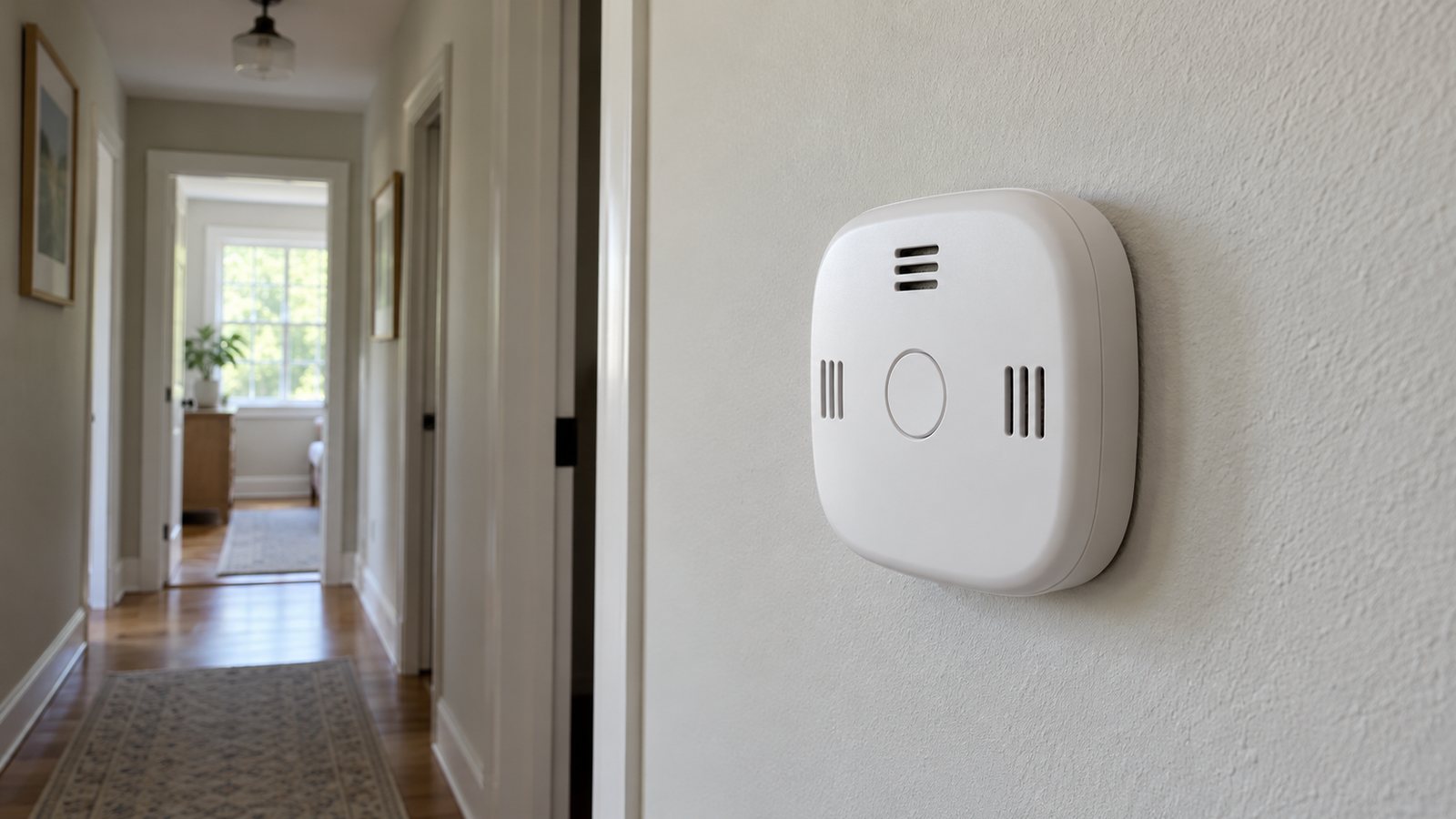
- Put a battery-operated or battery-backup CO alarm near every sleeping area, and test it.
- Keep generators outside, at least 20 feet from windows, doors and vents. Never in a home, basement or garage.
- Never heat with a gas stove or oven.
If the alarm sounds
Leave right away and call 911. CDC says CO symptoms are often described as “flu-like”: headache, dizziness, weakness, upset stomach, vomiting, chest pain and confusion.
What carbon monoxide is
CDC describes carbon monoxide (CO) as an odorless, colorless gas that can kill without warning. It is produced any time fuel burns: in cars and trucks, small engines, stoves, lanterns, grills, fireplaces, gas ranges and furnaces. Indoors it can build up and poison the people and animals who breathe it. Each year, CDC says, more than 400 Americans die from unintentional CO poisoning not linked to fires, more than 100,000 visit an emergency department and more than 14,000 are hospitalized.
Who is most at risk
Everyone is at risk. CDC says infants, older adults and people with chronic heart disease, anemia or breathing problems are more likely to get sick from CO. People who are asleep, drunk or under the influence of other substances can die before they notice any symptoms. That is why an alarm near every sleeping area matters most.
Alarms: the details
| Task | What CDC says |
|---|---|
| Placement | Near every sleeping area |
| Power | Battery-operated or with battery backup |
| Battery check | When you change the clocks each spring and fall |
| Replacement | Per the maker’s instructions, or every 5 years |
| Nice to have | A digital readout that shows the highest CO level recorded |
CDC suggests setting a calendar reminder for replacement on the day you install the alarm.
Furnaces, appliances and chimneys
- Have the heating system, water heater and any gas, oil or coal appliance serviced by a qualified technician every year.
- Make sure gas appliances vent properly. Horizontal vent pipes, such as on a water heater, should slope slightly up as they run outdoors so CO does not leak at loose joints.
- Buy gas equipment carrying the seal of a national testing agency, such as Underwriters Laboratories.
- Have the chimney checked or cleaned every year. Debris can block it and push CO back into the house.
- If a gas refrigerator gives off an odor, have it serviced. CDC says that can mean a CO leak.
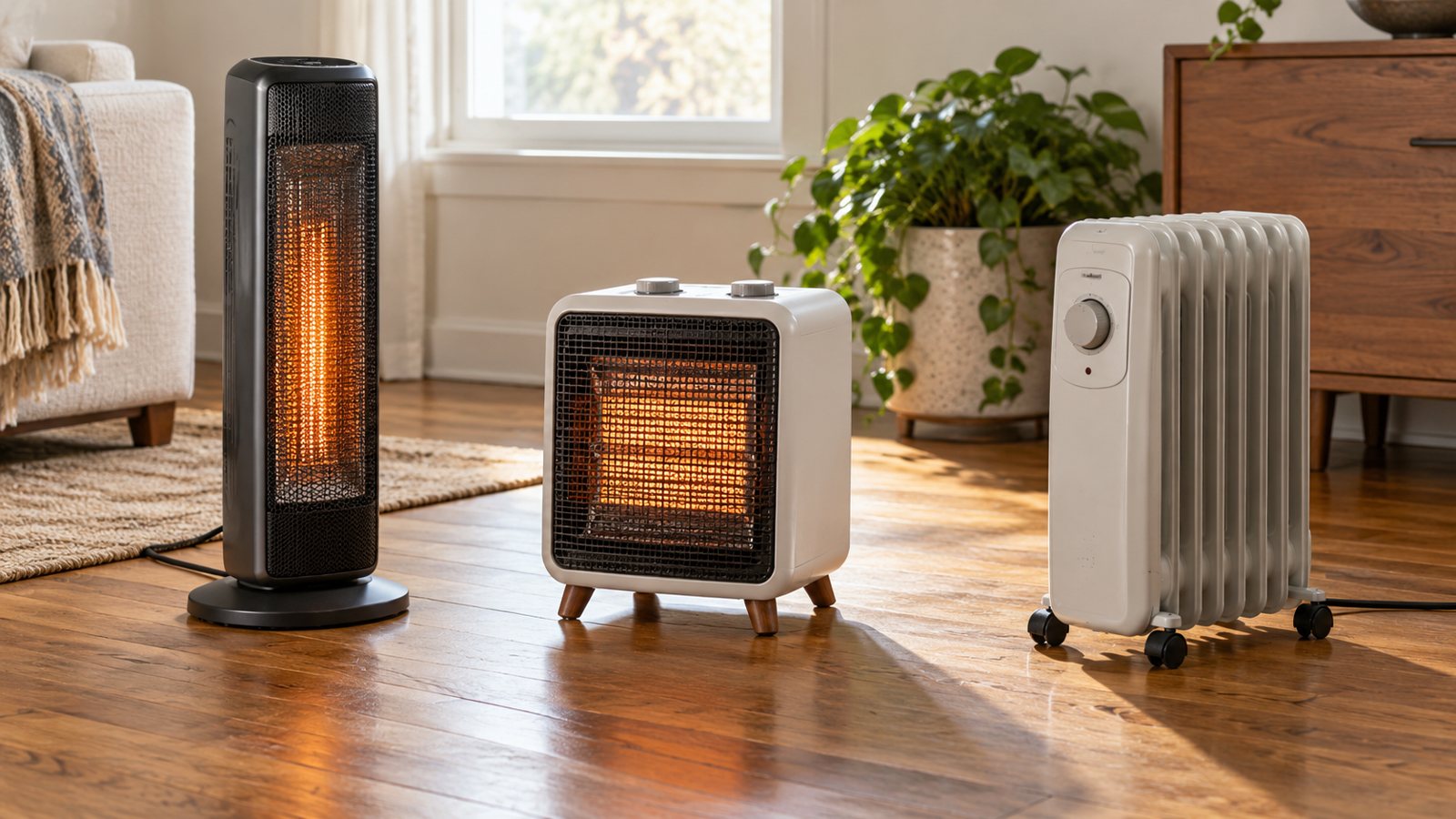
- Never burn charcoal indoors, and never use a portable gas camp stove or a flameless chemical heater indoors.
Generators during outages
Never run a generator in the home or garage, even with doors and windows open. Run it outside, more than 20 feet from windows, doors and vents, and keep a battery-powered or battery-backup CO alarm working inside. CDC asks people to report generator-related poisonings to the Consumer Product Safety Commission.
Cars in winter
- Have a mechanic check the exhaust system every year. A small leak can let CO into the cabin.
- Never run a car in an attached garage, even with the door open. Open a detached garage door before starting a car inside.
- If you drive with the tailgate open, open the vents or windows too. CDC warns that otherwise exhaust can be pulled into the vehicle.
Related
Frequently asked questions
Where should CO alarms go?
CDC says near every sleeping area, battery-operated or with battery backup.
How far should a generator be from the house?
At least 20 feet from windows, doors and vents, per CDC.