Winter Storm Prep Checklist for Your Home
What to do before and during a winter storm.
We may earn a commission when you buy through links on this page, at no extra cost to you. This does not change which products we cover. How we make money.
Before the storm
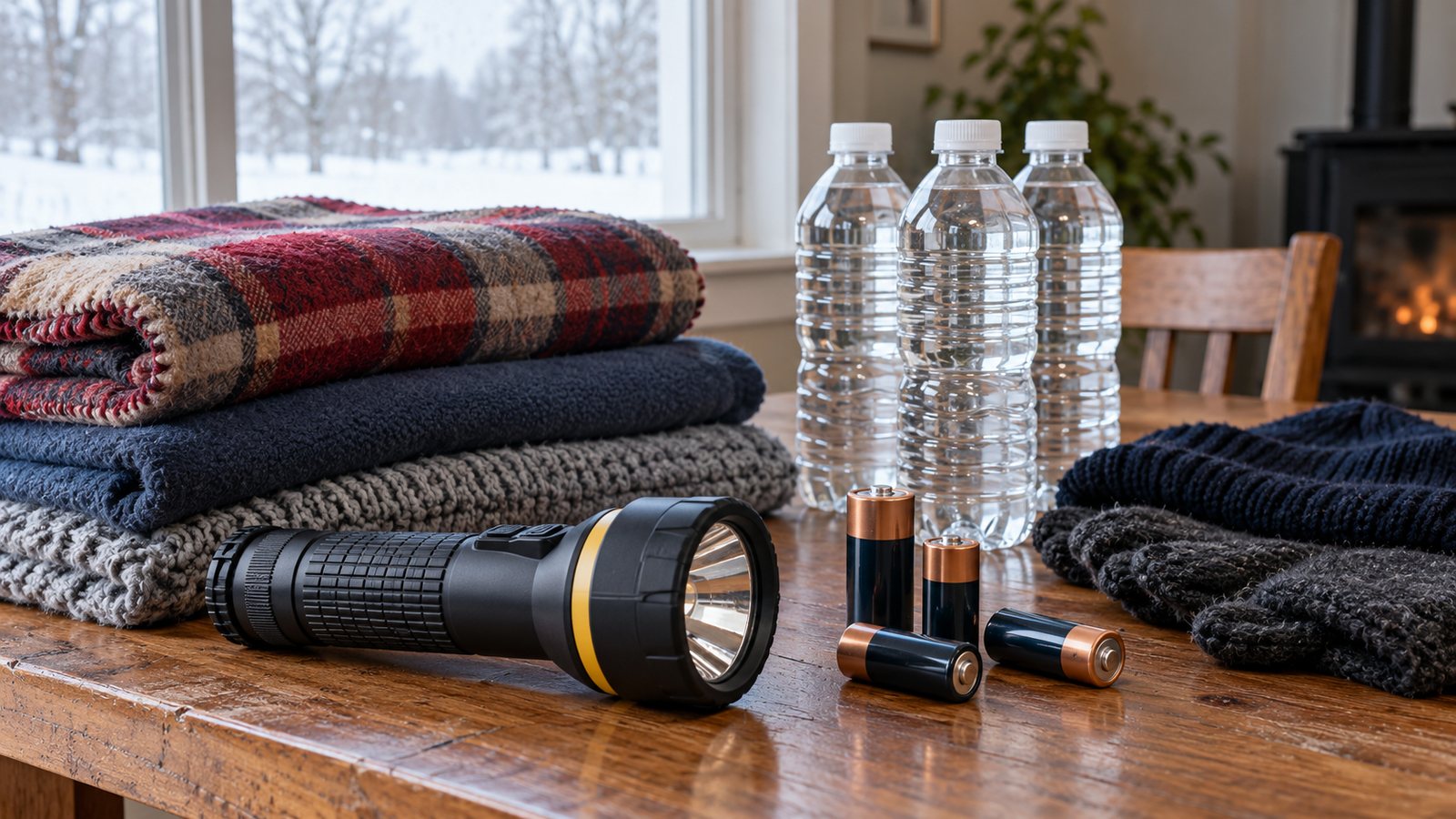
- Stock supplies for several days at home without power, including food, water and medicine.
- Test smoke and carbon monoxide alarms.
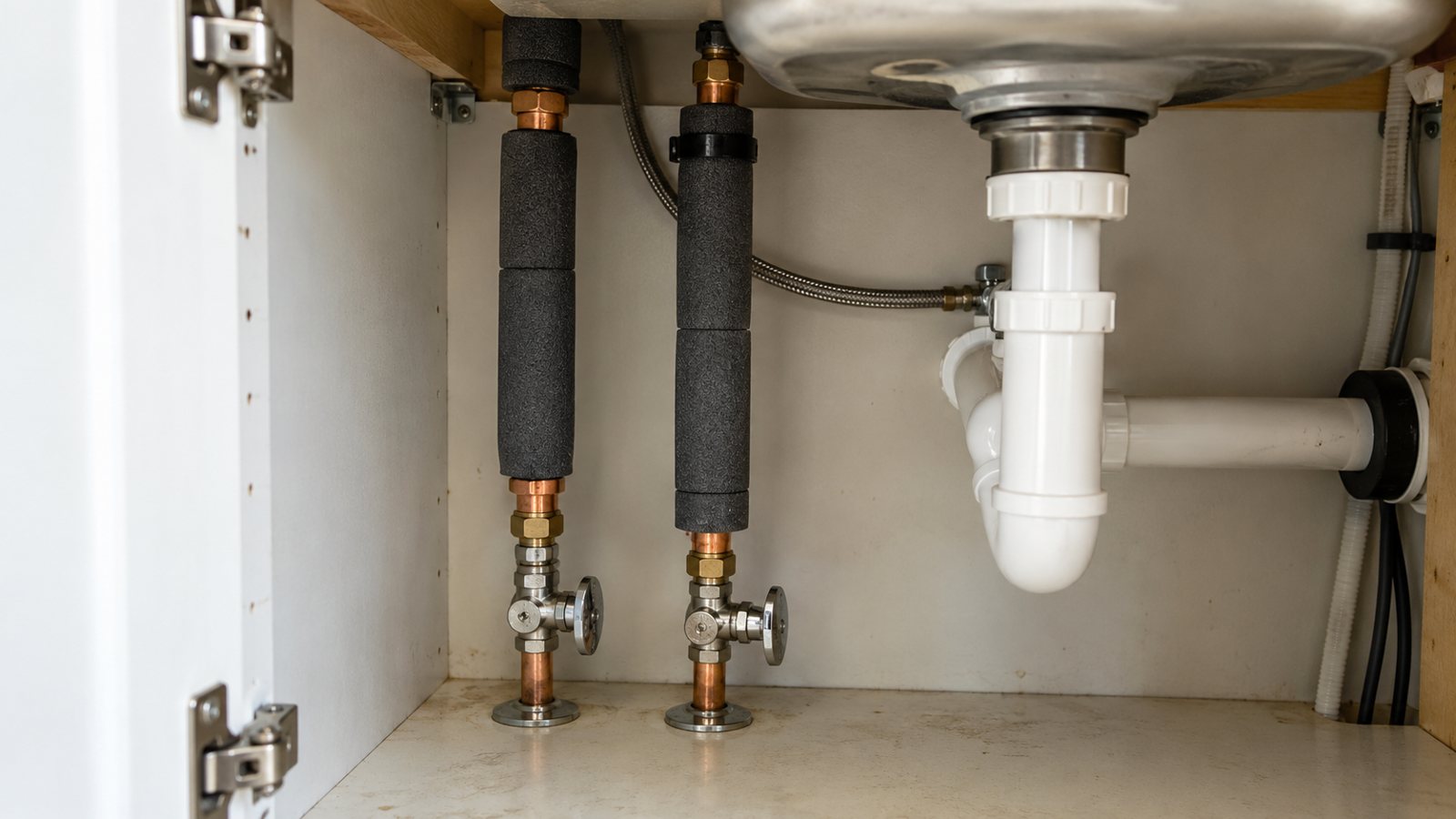
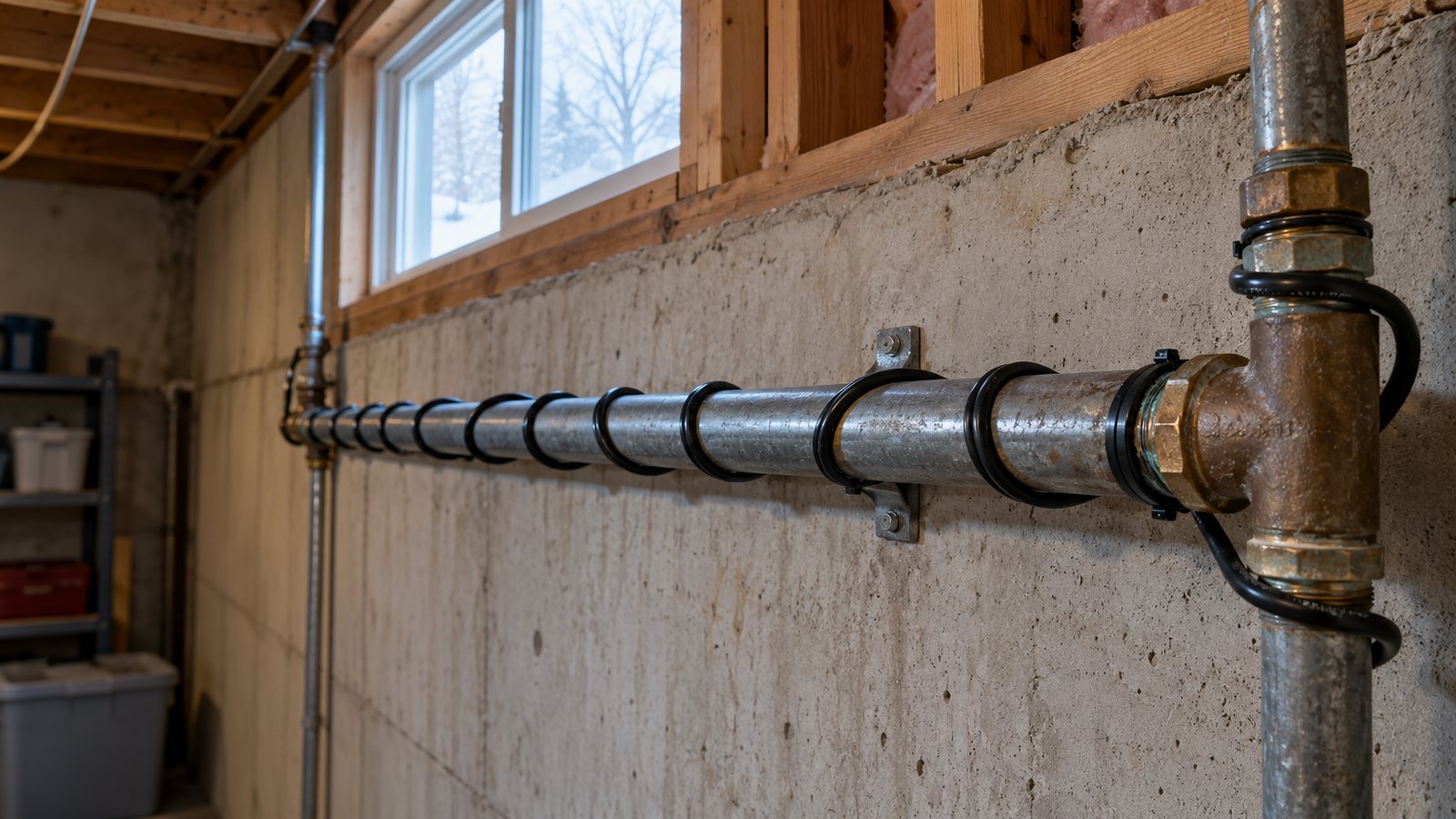
- Protect pipes. See how to prevent frozen pipes and pipe heat cables.
- Seal drafts. See how to weatherstrip.
- Pack a car kit: blankets, water, snacks, jumper cables, sand and a flashlight.
During the storm
- Stay off roads if you can.
- Never heat with a stove or oven.
- Run generators only outdoors, away from windows. See carbon monoxide safety.
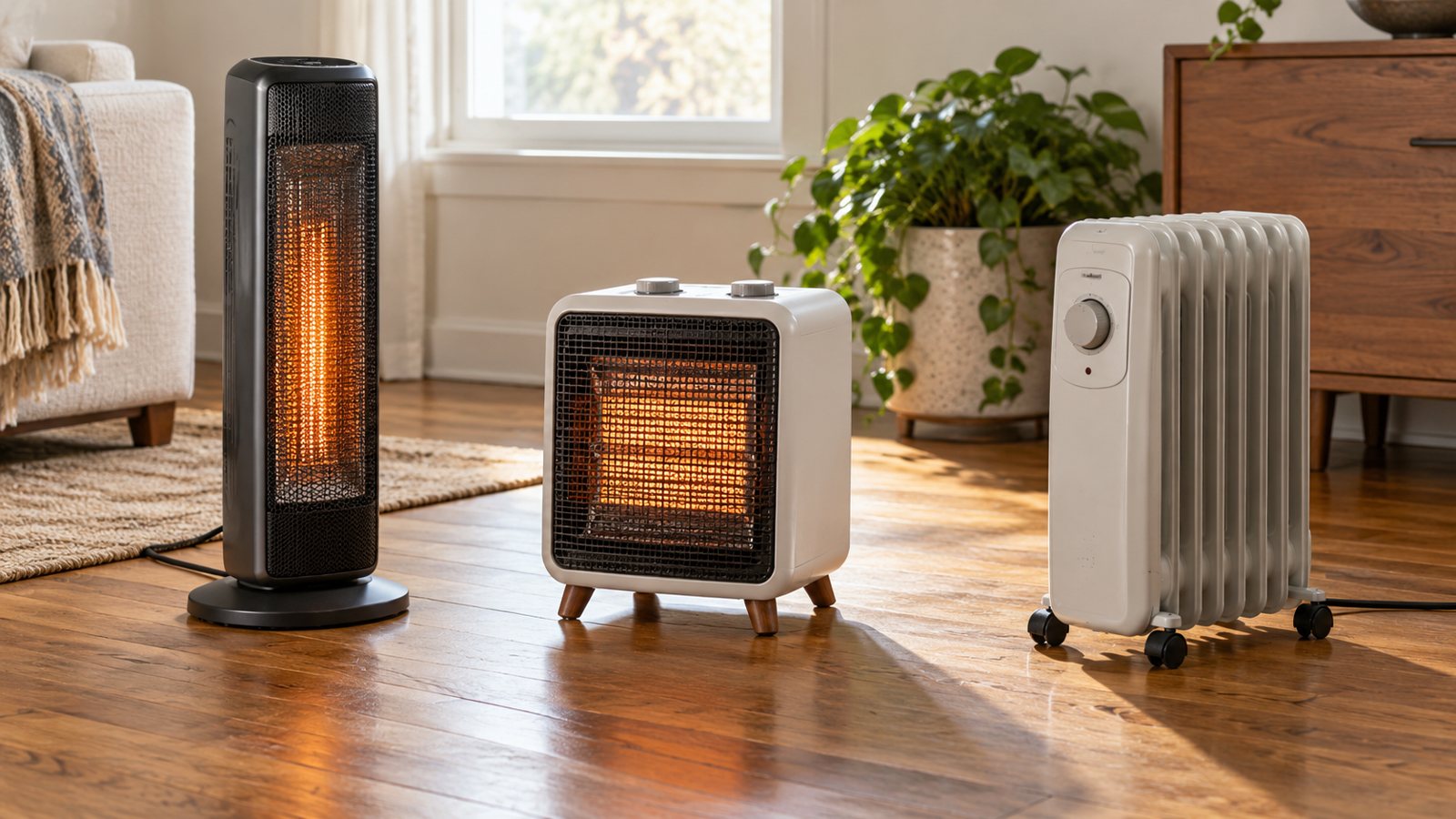
- Use space heaters safely. See space heater safety.
Know the alerts
Ready.gov defines three National Weather Service terms:
| Alert | What it means | Typical lead time |
|---|---|---|
| Winter Weather Advisory | Snow, freezing rain, freezing drizzle or sleet that will cause significant inconvenience and could become life-threatening without caution | Not specified |
| Winter Storm Watch | A blizzard, heavy snow, heavy freezing rain or heavy sleet is possible | Usually 12 to 48 hours ahead |
| Winter Storm Warning | Heavy snow, freezing rain or sleet is imminent or occurring | Usually 12 to 24 hours ahead |
Ready.gov says that under a Winter Storm Warning you should find shelter right away. Sign up for your community’s warning system. The Emergency Alert System and NOAA Weather Radio also carry alerts.
Why prepare
Ready.gov says a winter storm can last a few hours or several days and can cut off heat, power and communication. It puts older adults, children, sick people and pets at greater risk. It also raises the risk of car accidents, hypothermia, frostbite, CO poisoning and heart attacks from overexertion.
Get the house ready
From CDC and Ready.gov:
- Insulate water lines that run along exterior walls.
- Caulk and weatherstrip doors and windows, and insulate walls and attic.
- Install storm or thermal-pane windows, or cover windows with plastic from the inside.
- Repair roof leaks and cut back branches that could fall on the house.
- Have the chimney or flue inspected each year if you will use a fireplace or wood stove.
- Near a fireplace, wood stove or kerosene heater, CDC advises a smoke alarm and a battery-operated CO alarm. Test them monthly and change batteries twice a year.
- Keep a multipurpose dry-chemical fire extinguisher handy, and have the furnace and vent checked each winter.
- If you or someone at home is over 65, CDC suggests an easy-to-read indoor thermometer, because the ability to feel temperature changes decreases with age.
- If you cannot afford heating or weatherization, Ready.gov points to the Low Income Home Energy Assistance Program (LIHEAP).
Get the car ready
CDC suggests a fall check of antifreeze, winter washer fluid, tire tread and pressure, and the heater, defroster, brakes, brake fluid, ignition, emergency flashers, exhaust, oil and battery. Keep the gas tank near full to help avoid ice in the tank and fuel lines. CDC’s car kit list adds a phone charger, a windshield scraper, a shovel, a battery-powered radio, a first aid kit, tow rope, tire chains, cat litter or sand, reflectors or flares, and road maps. See our winter car kit guide on CarCareFile.
During the storm
- Limit time outside and wear layers.
- Avoid overexertion when shoveling or walking in snow.
- If you are stuck in your car, stay inside it.
- Generators and fuel belong outdoors, at least 20 feet from windows, doors and attached garages, per Ready.gov. Keep the generator dry, connect appliances with heavy-duty extension cords, and let it cool before refueling.
- Bring pets indoors. If you cannot, CDC says to give them adequate shelter and unfrozen water.
Frostbite and hypothermia
| Signs (Ready.gov) | What to do | |
|---|---|---|
| Frostbite | Numbness; white or grayish-yellow skin; firm or waxy skin | Go to a warm room and soak in warm water. Do not massage or use a heating pad |
| Hypothermia | Shivering, exhaustion, confusion, fumbling hands, memory loss, slurred speech, drowsiness | Below 95°F is an emergency. Warm the chest, neck, head and groin first, and wrap up in dry blankets |
Frequently asked questions
How much food and water should I keep?
Ready.gov suggests enough for at least 72 hours.
Can I heat with my oven?
No. Ready.gov says never use a stove or oven to heat your home.