How to Prevent Frozen Pipes (and Thaw Them Safely)
A plain checklist for before and during a freeze, plus what to do when only a trickle comes out.
We may earn a commission when you buy through links on this page, at no extra cost to you. This does not change which products we cover. How we make money.
Water expands as it freezes, and that pressure can split metal or plastic pipes. A few steps before and during a cold snap can save a costly repair.
Pipes that freeze most often
- Pipes exposed to severe cold, such as outdoor hose bibs, pool supply lines and sprinkler lines.
- Supply pipes in unheated spaces: basements, crawl spaces, attics, garages and kitchen cabinets.
- Pipes along exterior walls with little or no insulation.
Before the cold arrives
- Drain pool and sprinkler supply lines per the installer’s directions. Do not add antifreeze unless told to.
- Remove, drain and store outdoor hoses. Close the inside valve to each hose bib and leave the outside bib open so leftover water can expand.
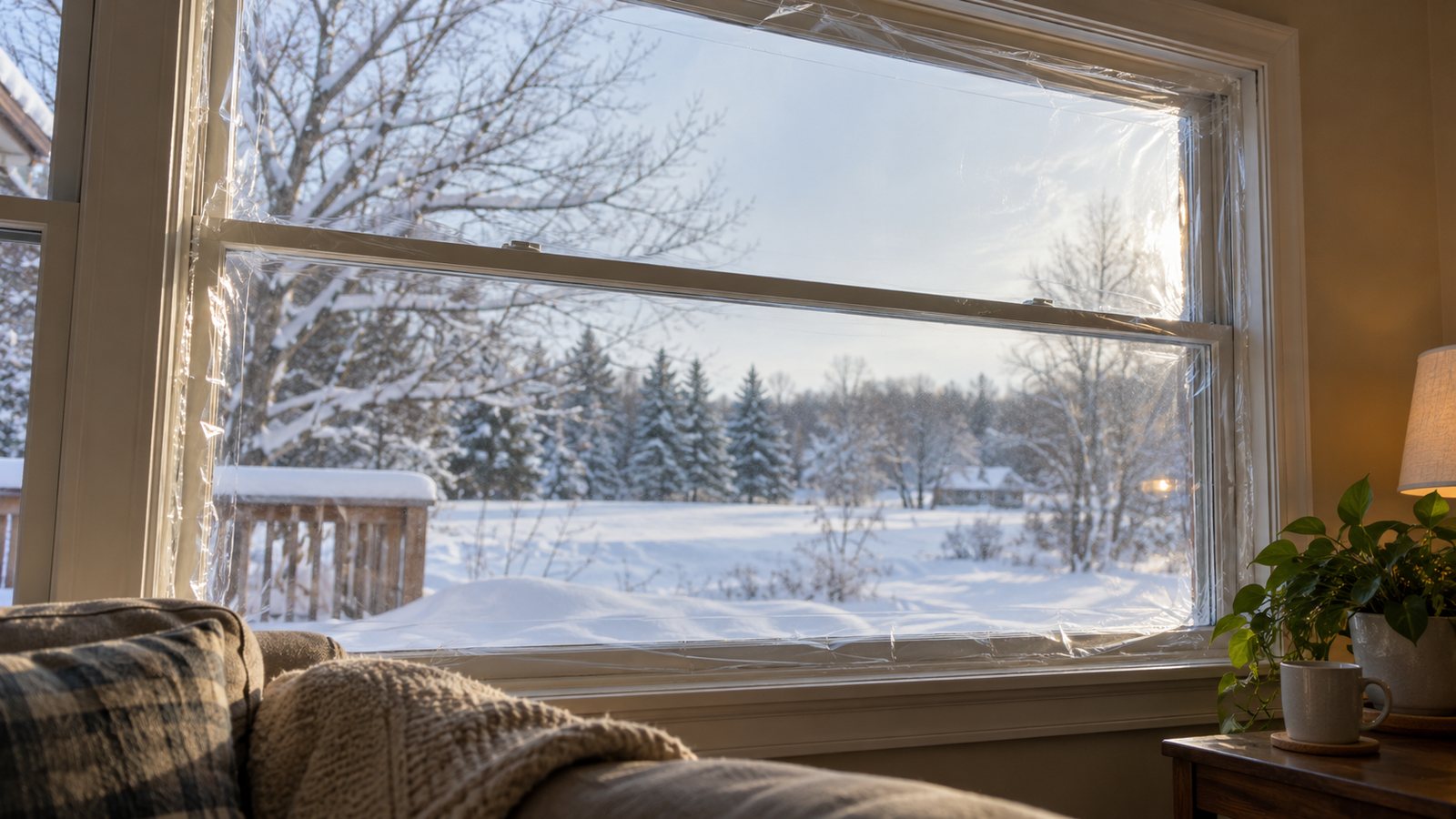
- Add insulation to attics, basements and crawl spaces.
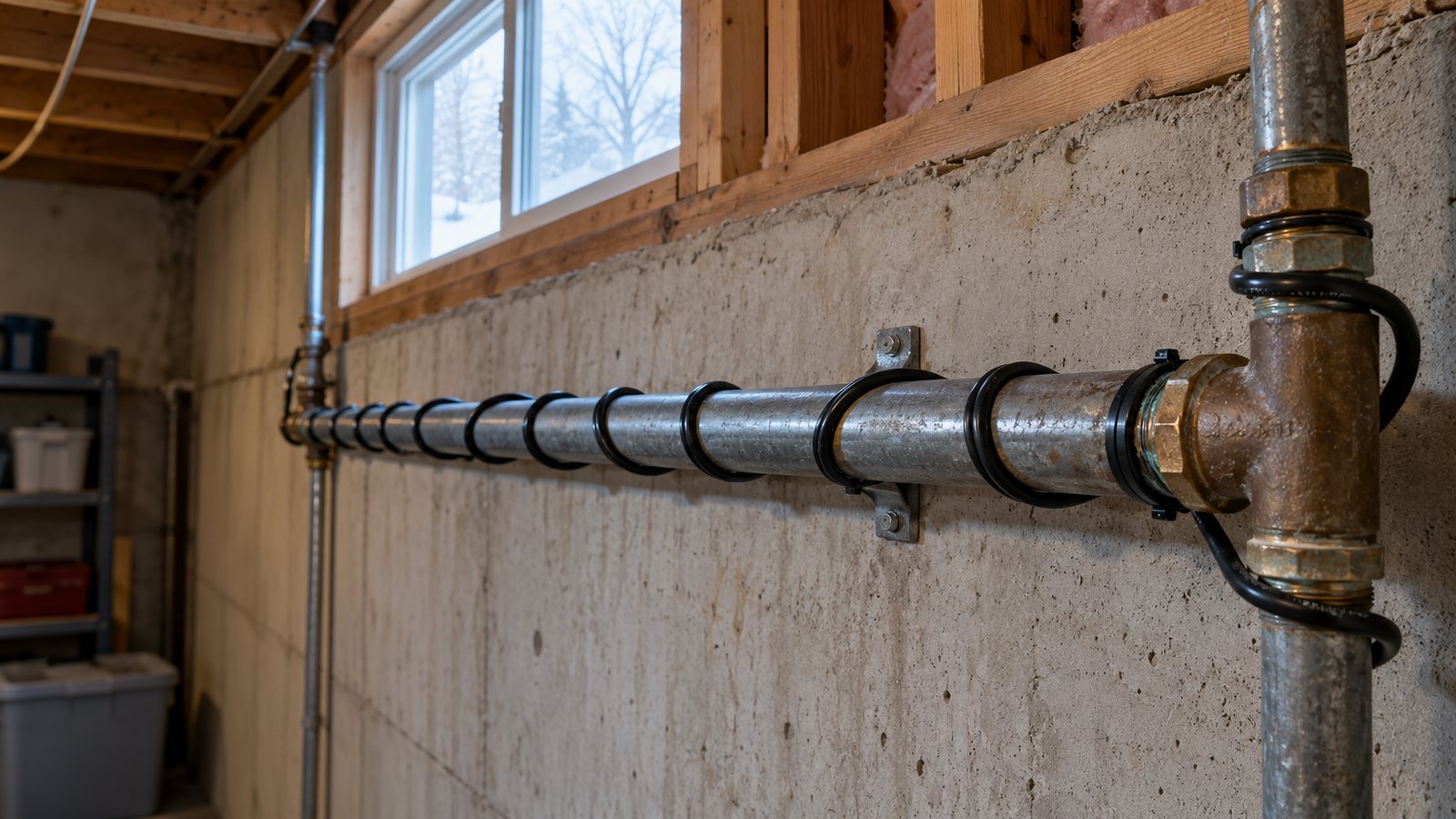
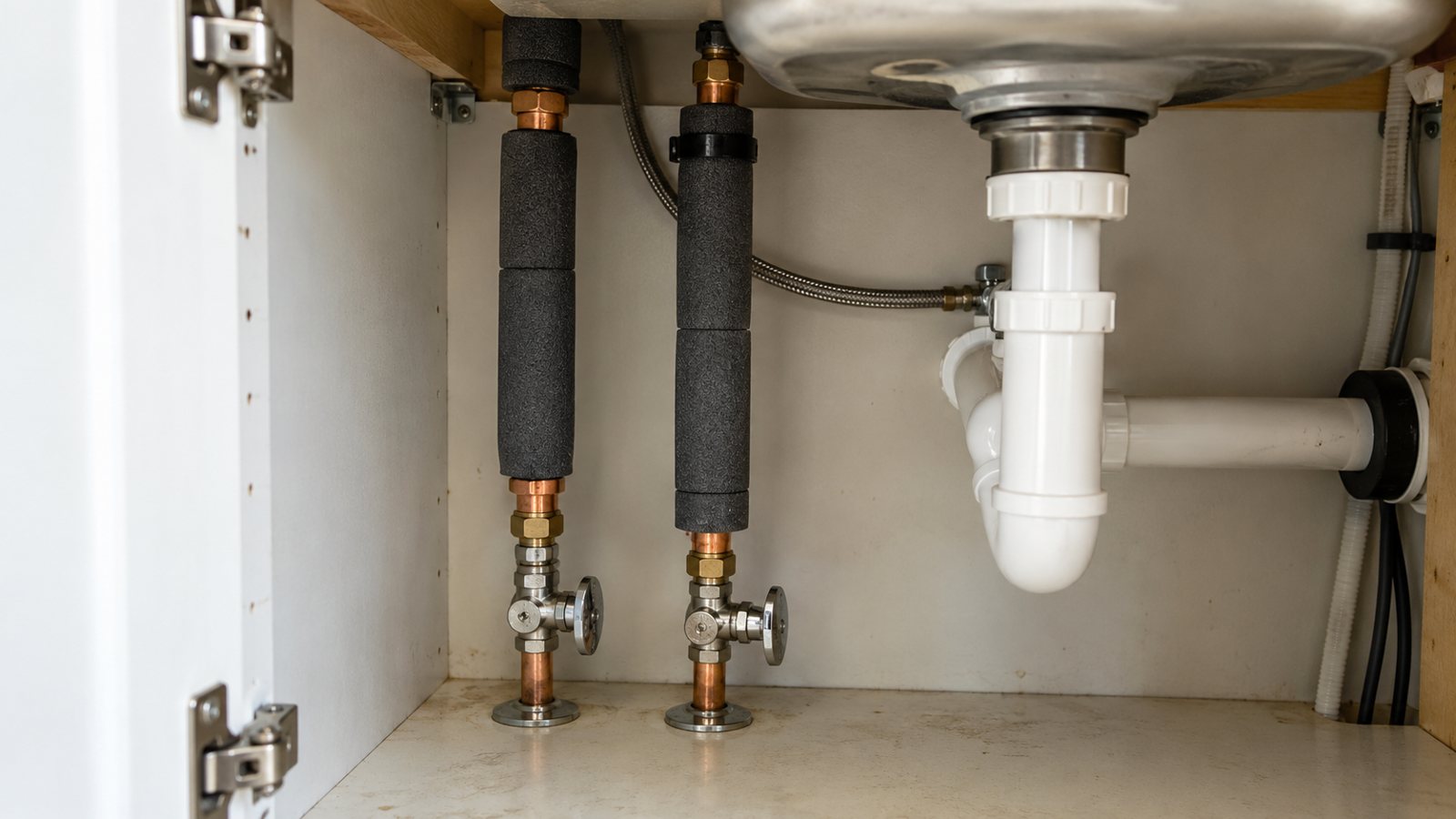
- Insulate exposed hot and cold pipes with pipe sleeves or UL-listed heat tape or heat cable.
During a freeze
- Keep garage doors closed if supply lines run through the garage.
- Open kitchen and bathroom cabinet doors so warm air reaches the plumbing. Move cleaners out of children’s reach.
- Let cold water drip from faucets served by exposed pipes.
- Keep the thermostat at the same setting day and night.
- If you travel, leave the heat on at 55 degrees F or higher.
If a pipe freezes
- Suspect a freeze if only a trickle comes out of a faucet.
- Keep that faucet open so water can flow as the ice melts.
- Warm the pipe with an electric heating pad, a hair dryer, a space heater kept clear of flammables, or towels soaked in hot water. Never use an open flame.
- Keep heating until full pressure returns, then check every other faucet.
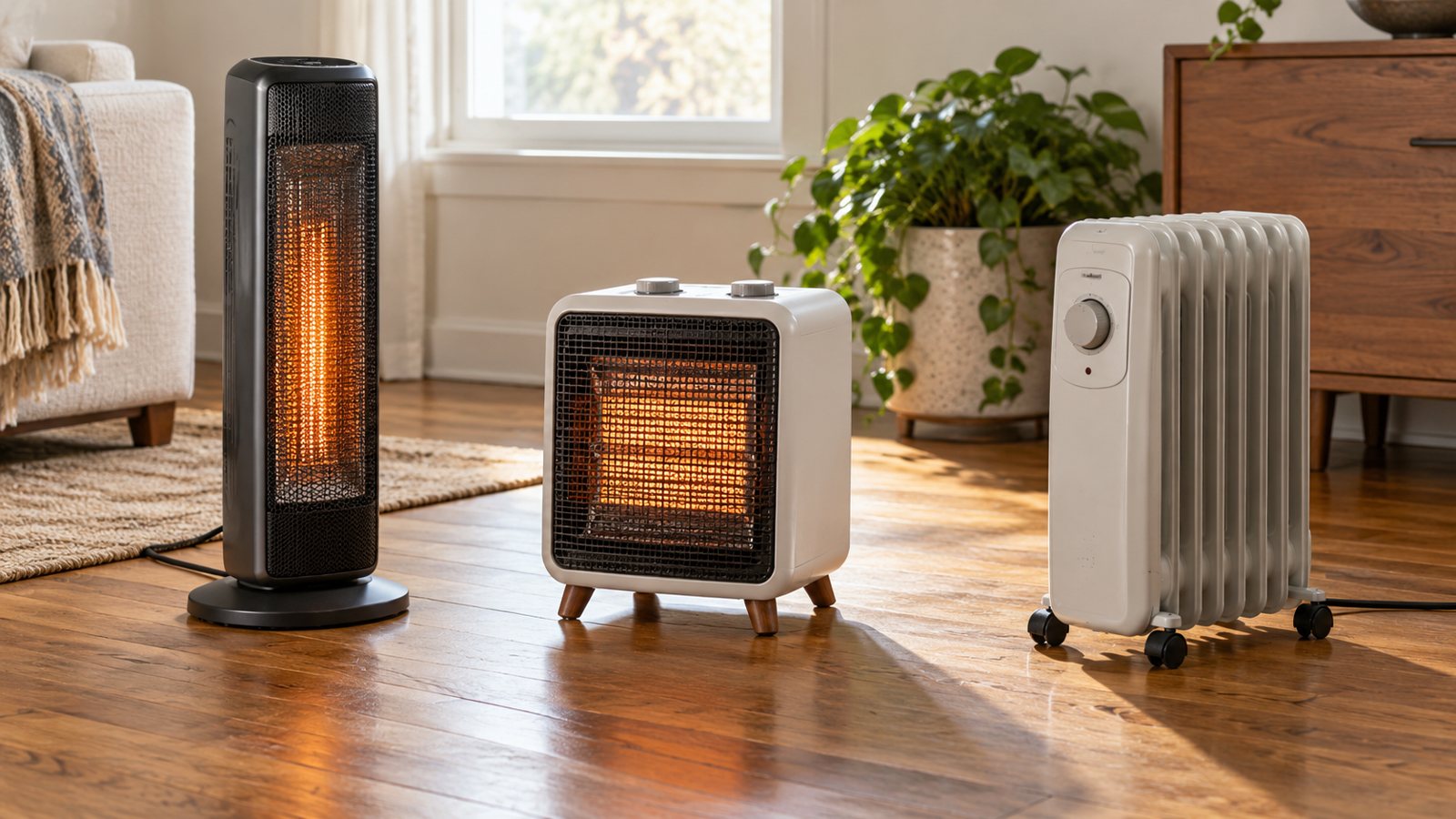
A space heater can help warm a cold cabinet or room. See our space heater comparison for safety specs.
Next steps
At a glance
| When | Red Cross step |
|---|---|
| Before cold | Drain hoses, pool and sprinkler lines; insulate attics, basements and crawl spaces |
| Before cold | Sleeve exposed pipes or add UL-listed heat tape or cable |
| During a freeze | Open sink cabinets, drip cold water, keep the thermostat steady |
| Away from home | Keep heat at 55°F or higher |
| Frozen pipe | Keep the faucet open and warm the pipe; never use an open flame |
Related: 3M vs Frost King window kits and how to weatherstrip.
Frequently asked questions
What temperature should I leave the heat at when away?
The Red Cross says to leave the heat on and set it no lower than 55 degrees F.
Does dripping a faucet help?
Yes. The Red Cross says running water through the pipe, even at a trickle, helps prevent freezing. Drip cold water from faucets served by exposed pipes.
Can I use a torch to thaw a pipe?
No. The Red Cross says not to use a blowtorch, kerosene or propane heater, charcoal stove or any open flame. Use a heating pad, hair dryer, space heater kept away from flammables, or hot towels.